In this article
Leaders revealed that North American influence in global sport is about more than ownership - it is about audiences, expertise, media reach and new routes to growth.
At Leaders last week, the North American influence on global sport was impossible to miss. From Kroenke, the NBA, NWSL and MLS to NBC, Netflix, Ally, Disney, KLUTCH and Alexis Ohanian, it shaped conversations about ownership, sponsorship, media, women’s sport and the future of sporting events.
The numbers reinforced that impression. An unscientific review of the programme found North American business or investment connections in 13 of the 16 Business & Leadership sessions and more than a third of the Marketing & Creative – maybe that’s why were we back at Stamford Bridge.
The more interesting question, though, was not how much money is entering sport. It was what that money brings with it and what investors and partners see in sport that makes those relationships valuable in the first place.
Having reflected on the sessions, I think there was a common thread.
Whilst traditionally “European” sports are starting to scale in North America (watch for the MLS to become one of the world leading football leagues in the coming years) the North American businesses are becoming very good at identifying places where the passion for a sport is bigger than the commercial system around it - something we at BAZBALLERS CONSULTING LTD are very focused on too...
Looking for what’s missing
The startup discussion included two striking examples.
League One Volleyball (LOVB) described a sport with an enormous US participation base, successful collegiate competitions and Olympic-level players but no established professional destination for that interest.
The IDL [International Dance League] saw a similar gap. Millions take part in competitive dance, often training seriously throughout childhood, but there is no obvious professional product to follow when that journey ends.
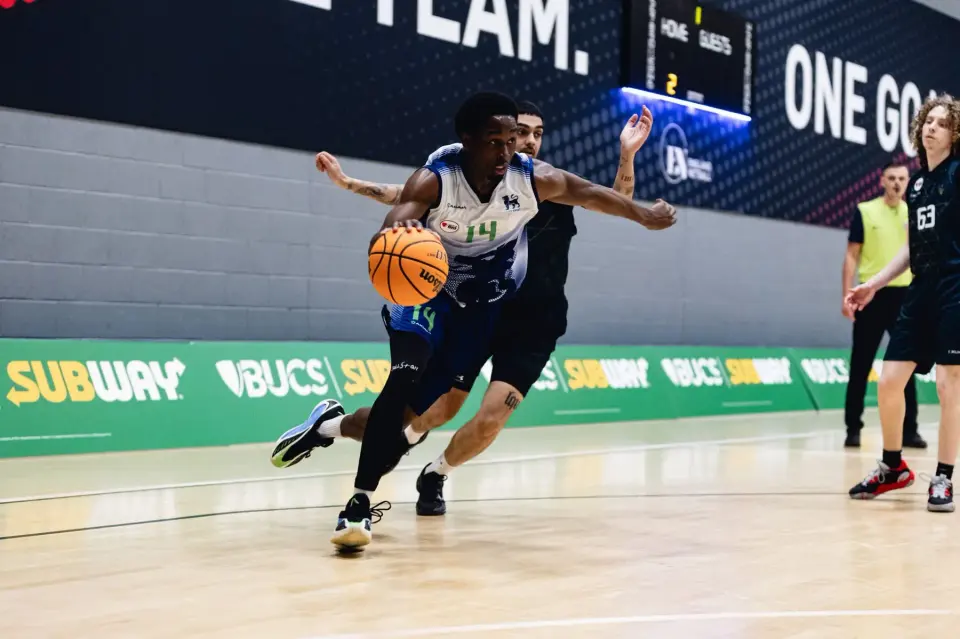
NBA Europe is, of course, being considered on a completely different scale. But the underlying diagnosis sounded familiar: high-quality basketball, passionate supporters and established clubs, without the commercial value the NBA believes that combination should support.
These aren’t attempts to generate interest from nothing. They are attempts to build something around interest that already exists.
We often assess an emerging sport through its current crowds, viewing figures and sponsorship income. Those measures tell us what the existing product is achieving. They don’t necessarily tell us how many people already play, care or identify with the sport but have not been given something compelling or accessible to follow.
Perhaps the most interesting growth opportunities are not entirely new audiences. They are communities whose interest has never been converted into a coherent professional product.
Women’s sport is becoming the industry’s test lab
This came through most strongly in the conversations about women’s sport.
Ally’s story was probably the most revealing example of the week.
Rather than waiting for the NWSL media market to develop, Ally offered Disney a significant advertising commitment if ESPN acquired part of the league’s rights package. The brand helped reduce the broadcaster’s risk, strengthening the distribution available to the league.
That creates a chain reaction.
A committed advertiser can make media rights more attractive. Better distribution can grow audiences and revenues. That, in turn, can make the league more investable.
We normally think of sponsorship, broadcast and investment as separate commercial conversations. Ally treated them as parts of the same growth problem. Given the impressive growth in the WSL partner roster and some of the brands involved think what could be possible – it can only be a matter of time before we converting our Tesco Clubcard vouchers for WSL tickets…
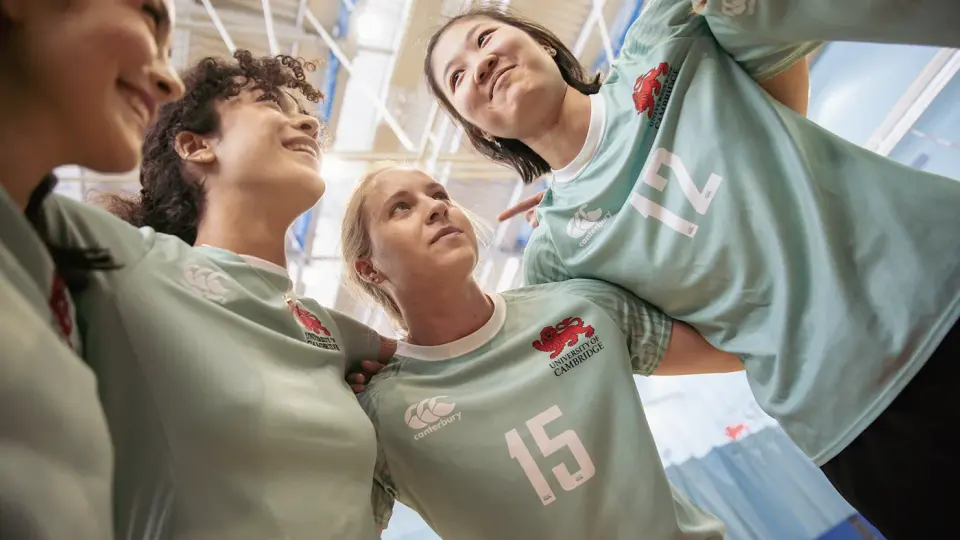
Monarch discussed what specialist investors need to see in women’s sport. Portland’s owners talked about listening to athletes and supporters, including designing facilities around the needs of female athletes rather than adapting something created for men. Alexis Ohanian combined investment with direct community-building and an ambition to make Chelsea Women a natural choice for American fans. Netflix sees the Women’s World Cup as both a major live event and an opportunity to introduce the sport to people who might not otherwise seek it out.
Taken together, women’s sport is starting to look like more than an attractive growth category. It is becoming a place where new ways of building sports businesses are being tested.
There are fewer established assumptions about how the product, media, facilities, community and commercial model have to work. That creates room to build them together. Something that Tammy Parlour MBE & the Women's Sport Trust featured in their new report which was launched during the event.
Not every experiment will succeed. But some of the models being developed in women’s sport may ultimately influence how emerging sports are built more broadly.
Owning sport is not the same as owning the route to its audience
Several sessions also made me reconsider where power might sit as more sport becomes available.
NBC can offer extraordinarily comprehensive Olympic coverage. Yet Molly Solomon explained that its curated programming still attracts the biggest audience. With hundreds of events and unfamiliar athletes, viewers need what she called a “travel guide” through the Games.
Netflix believes its relationship with subscribers gives it permission to introduce something they might not normally choose. Goalhanger can use familiar presenters and established shows to launch new programmes. Disney has spent decades learning how to carry affection for a story or character into new products, experiences and settings.
All of them help people choose what deserves their time.
That feels increasingly important. AI and new production tools will make it easier to create more content, more quickly and at a lower cost. It won’t create more hours in anyone’s day.
The scarce capability may therefore be discovery: knowing what to put in front of someone, when to do it and why they should care.
For sport, that creates an interesting tension.
A league may own the competition. A club may own the content. But an athlete, presenter, broadcaster or entertainment platform may own the relationship that persuades someone to engage.
The next content battle may not be about who can produce the most. It may be about who audiences trust to guide them through it.
Making sporting potential investable
There was another pattern behind several of the ownership and investment discussions.
North American sport is often associated with closed leagues and franchise certainty. NBA Europe is exploring how some of that investment security could be combined with the sporting traditions and qualification pathways that matter in Europe.
But the wider point wasn’t only about promotion and relegation.
The investment panel looked for recurring revenues, long-term partnerships and stable leagues. KSE connected patient ownership and management continuity with better performance. The venue discussions focused on creating year-round destinations rather than businesses dependent on a limited number of matchdays.
All of these approaches do something similar: they make uncertainty easier to understand and manage.
Sport will always contain risk. That is part of what makes it compelling. But some volatility is sporting, while some comes from fragmented rights, short-term decisions, inconsistent distribution or constant changes of direction.
Capital becomes easier to attract when people can distinguish between the two.
That may be one of the more useful lessons from North American sport. Commercial discipline isn’t simply about extracting more money from an asset. It is also about creating enough stability to invest properly in its future.
More than the money
I went into Leaders noticing the volume of North American money and influence around global sport.
I came away thinking the more important story was the machinery around it.
The capital matters, but so do the relationships with broadcasters, brands, talent and technology. So does the ability to recognise an underserved community, make the opportunity investable and assemble the capabilities needed to develop it.
For anyone who is rights holder, the question is not simply how much an investor or partner will pay. It should also be about the capability they bring and potential wider portfolio opportunities that come which can transform your organisation and your offer to your participants and fans.
The headline will nearly always be the money. The better measure may be what that money makes possible.
First published on LinkedIn on 11 Oct 2026. Read the original
Russell James
Founder of Bazballers. Formerly Marketing Director at The FA, Sales and Marketing Director at the ECB, and ten years at P&G.
More about Russell